
The Agricultural Water Monitoring Challenge
Farm water storage systems present unique monitoring challenges:
- Variable Demand: Irrigation needs fluctuate dramatically with seasons, crop growth stages, and weather conditions
- Remote Locations: Tanks are often spread across large properties, making manual checks time-consuming
- Harsh Conditions: Dust, humidity, and temperature extremes can compromise conventional sensors
- Water Conservation: Precise measurement helps prevent over-irrigation and waste
- Labor Savings: Automated monitoring reduces the need for manual tank inspections
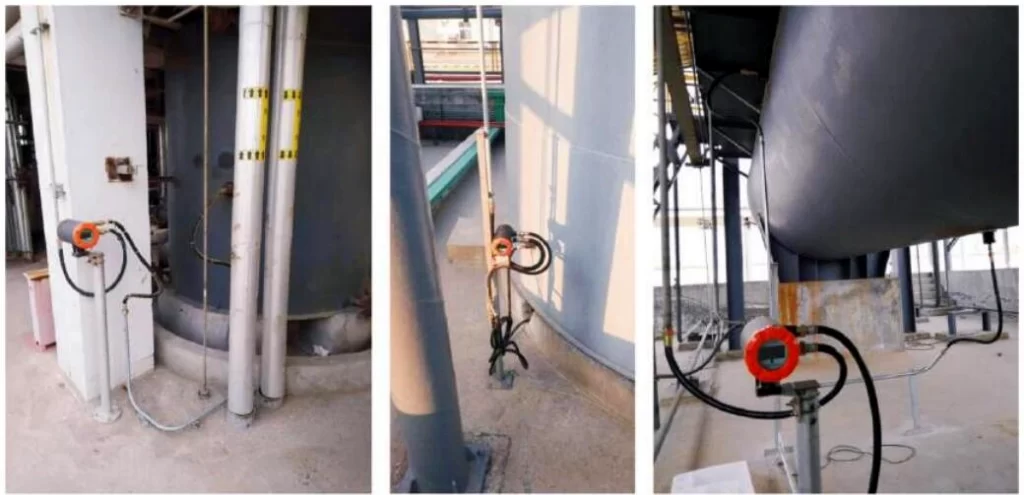
External ultrasonic technology addresses all these challenges simultaneously. By mounting an external tank level sensor on irrigation storage tanks, farmers gain:
- 24/7 remote monitoring capability via smartphone or computer
- Accurate volume calculations regardless of water turbidity
- Early warning alerts for low levels that could interrupt irrigation
- Historical data to analyze usage patterns and optimize schedules
- Integration with weather forecasts for predictive watering
How Ultrasonic Tank Monitoring Works in Agriculture
The science behind farm water monitoring is both elegant and practical:
- Non-Contact Measurement: High-frequency sound waves (typically 30-50 kHz) penetrate the tank wall without any internal components
- Precise Timing: The sensor measures the exact time difference between pulse transmission and echo return
- Environmental Compensation: Advanced algorithms account for temperature variations that affect sound speed
- Wireless Connectivity: Data transmits via LoRa, cellular, or WiFi to farm management systems
- User-Friendly Interfaces: Simple mobile apps display levels in gallons or liters with visual indicators
Key Benefits for Farming Operations
1. Water Conservation
With accurate real-time data, farmers can:
- Prevent overfilling and spills
- Schedule irrigation based on actual availability
- Detect leaks through unexpected level drops
- Implement tiered pricing strategies for water-sharing cooperatives
2. Labor Efficiency
Automated monitoring eliminates:
- Daily manual tank checks
- Guesswork in water distribution
- Emergency runs to refill nearly empty tanks
- Record-keeping paperwork
3. Crop Yield Protection
Consistent water availability prevents:
- Stress from under-watering
- Disease from over-watering
- Growth interruptions from water shortages
- Frost protection system failures
Recommended Products for Farm Water Management
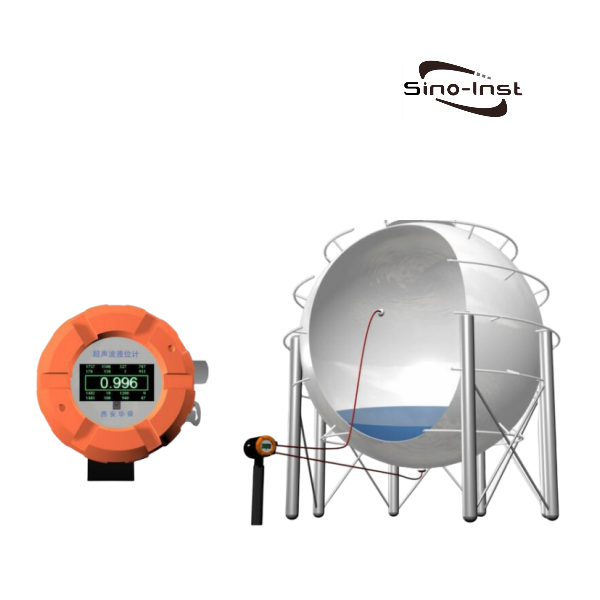
Permanent tank monitoring solution with wireless connectivity options perfect for large irrigation storage systems.
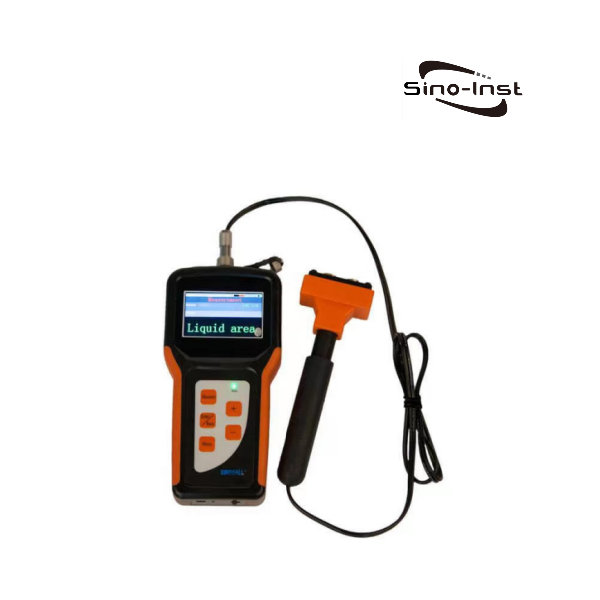
Handheld device for spot-checking levels in multiple tanks or ponds across your property.
Implementation Considerations for Farms
Tank Material Compatibility
Most agricultural tanks work well with ultrasonic sensors:
- Polyethylene (common for modern water tanks)
- Fiberglass
- Steel (galvanized or stainless)
- Concrete (with proper surface preparation)
Installation Best Practices
For optimal performance:
- Mount sensors on smooth, flat areas of tank walls
- Avoid locations near inlet/outlet pipes that cause turbulence
- Ensure proper coupling between sensor and tank surface
- Position away from direct sunlight that could overheat electronics
Data Integration
Modern systems can connect with:
- Farm management software
- Automated irrigation controllers
- Weather station data
- Cloud-based dashboards for multi-site operations
The Future of Smart Farm Water Management
Emerging technologies will further enhance agricultural water monitoring:
- AI-Powered Predictive Analytics: Systems that learn usage patterns and suggest optimal watering schedules
- Multi-Tank Optimization: Automated water distribution between interconnected storage units
- Solar-Powered Sensors: Eliminating battery changes in remote locations
- Blockchain Water Accounting: For precise tracking in water-sharing arrangements
The external ultrasonic level meter has become an indispensable tool for modern precision agriculture. By providing reliable, real-time water inventory data without tank penetration or fluid contact, these sensors help farmers make informed decisions that conserve precious water resources while protecting crop investments. As drought conditions become more prevalent worldwide, adopting this technology represents both an economic imperative and an environmental responsibility for forward-thinking agricultural operations.
From small family farms to large agricultural enterprises, ultrasonic tank monitoring delivers tangible benefits that translate directly to improved water efficiency, reduced labor costs, and optimized crop production. In an era where every drop counts, this technology provides the visibility and control needed to sustainably manage farm water resources for generations to come.