
In today’s digital world, many users search for ways to sms activate online accounts quickly and sometimes even for free. The idea of sms activate services sounds simple: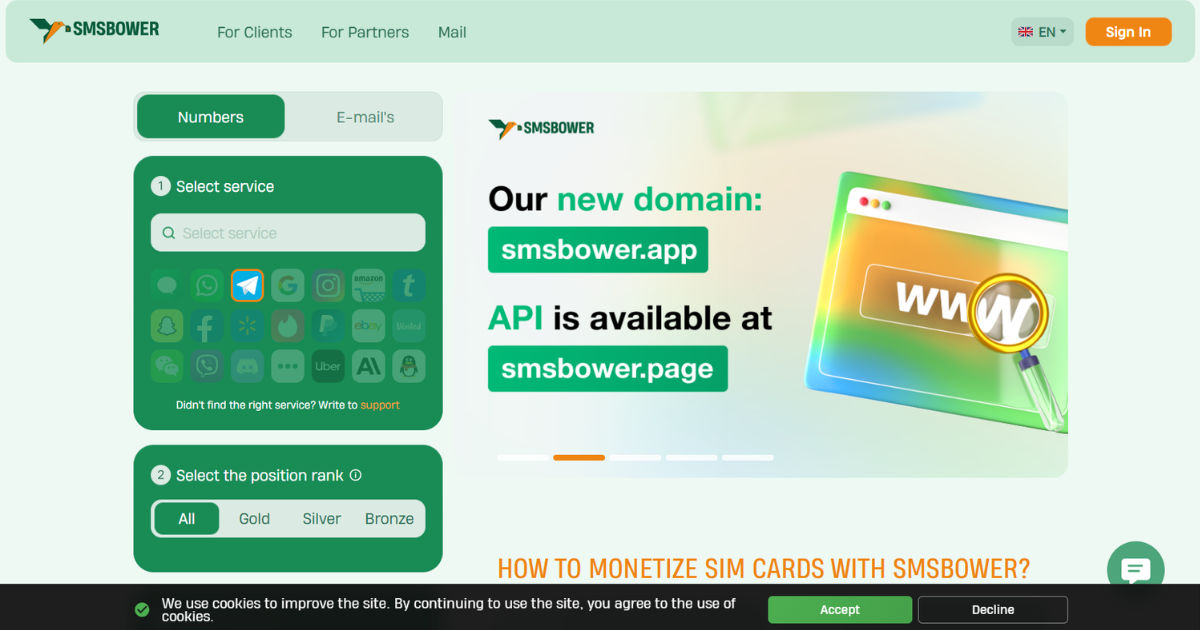
receive a verification code without using a personal phone number. In this guide, we will explain how sms activate systems work, why they exist, how they are used in general, and what risks and limitations are involved.
This article is written in simple language for 12th-grade students and anyone who wants to understand the concept clearly.
What Does SMS Activation Mean?
To understand sms activate, we first need to understand SMS verification.
When you create an account on platforms like social media, email services, or apps, they often ask for your phone number. They send a one-time password (OTP) to confirm that you are a real user.
SMS activation refers to the process of verifying an account using that OTP sent through SMS.
When people say sms activate free, they usually mean using a service that provides temporary or shared phone numbers to receive that OTP without using their personal SIM card.
Why SMS Activation Exists
The main purpose of SMS activation is security. Companies use it to:
1. Prevent Fake Accounts
Platforms want to reduce bots. Using sms activate verification helps confirm real users.
2. Protect User Identity
A phone number links accounts to real individuals, making abuse harder.
3. Account Recovery
If you forget your password, SMS helps recover your account.
4. Two-Factor Authentication
Many systems use sms activate codes as a second layer of security.
So even though free sms activate services exist, the original system is designed for protection, not convenience alone.
How SMS Activation Works Technically
Let’s break down how the sms activate process works behind the scenes.
Step 1: Account Registration
You enter your phone number on a platform.
Step 2: System Sends OTP
The platform sends a verification SMS using telecom networks or APIs.
Step 3: SMS Gateway Routes Message
The message passes through an SMS gateway provider, which connects apps to mobile networks.
Step 4: User Receives Code
The user enters the code to complete verification.
When people use sms activate free services, they replace Step 1 with a shared or temporary number instead of their personal SIM.
What Are Free SMS Activation Services?
Free sms activate services are websites or apps that provide temporary phone numbers. These numbers are often shared among multiple users.
They work like this:
- A website displays a list of phone numbers
- You choose one number
- You use it for account verification
- Incoming SMS messages are displayed publicly or semi-publicly
This allows users to complete sms activate steps without a personal number.
However, this comes with serious limitations and risks, which we will explain later.
Types of SMS Activation Systems
There are different types of sms activate systems used globally:
1. Personal SIM-Based Activation
This is the standard method using your own phone number.
2. Virtual Number Services
These are paid services that provide private numbers for verification.
3. Free Public SMS Activation Services
These are shared systems often searched as sms activate free tools.
4. API-Based Business Systems
Companies use SMS APIs like Twilio or similar providers for automated verification.
Each system supports the same goal: sending and receiving OTPs for authentication.
Why People Look for Free SMS Activation
Many users search for sms activate free options for different reasons:
1. Privacy Concerns
They do not want to share personal numbers.
2. Multiple Accounts
Some users try to create multiple accounts for testing or marketing.
3. Cost Saving
They avoid buying extra SIM cards.
4. Temporary Use
They only need short-term access to a platform.
While these reasons explain interest in sms activate, not all methods are safe or allowed.
How Free SMS Activation Platforms Work Internally
Free sms activate platforms usually operate using shared resources.
1. Pool of Numbers
They maintain a pool of SIM cards or virtual numbers.
2. SMS Forwarding System
Incoming messages are forwarded to a web dashboard.
3. Public Display
Messages are shown on a website for anyone using that number.
4. Auto Reset
After some time, numbers are recycled for new users.
This system makes sms activate free services possible but also highly insecure.
Risks of Using Free SMS Activation Services
Although sms activate free tools may seem useful, they come with serious risks.
1. Privacy Risk
Your verification code may be visible to other users.
2. Account Theft
Someone else can access your OTP and take over your account.
3. Data Exposure
Personal data linked to your account may become vulnerable.
4. Account Suspension
Many platforms detect shared numbers and may ban accounts.
5. Legal and Policy Issues
Some services do not allow sms activate free numbers for registration.
Security Concerns You Should Know
Security is the biggest issue with sms activate free systems.
Shared Access Problem
Since numbers are public, anyone can see incoming messages.
No Ownership
You do not truly “own” the number.
Unreliable Delivery
OTP messages may not always arrive.
Risk of Abuse
These systems can be used for spam or fake account creation.
Because of these risks, most experts do not recommend relying on sms activate free services for important accounts.
Legal and Ethical Considerations
Using sms activate services can raise ethical concerns depending on usage.
Acceptable Uses
- Testing apps
- Learning development
- Temporary experiments
Problematic Uses
- Creating fake identities
- Bypassing platform rules
- Automated spam account creation
While the technology itself is neutral, how sms activate free tools are used determines whether it is appropriate.
Differences Between Free and Paid SMS Activation
Let’s compare both systems:
Free SMS Activation
- Shared numbers
- Public messages
- No privacy
- Low reliability
- Risk of account loss
Paid SMS Activation
- Private numbers
- Better reliability
- More secure
- Limited reuse
- Lower risk of detection
Most professionals prefer paid systems over sms activate free options due to safety.
Why Companies Don’t Like Free SMS Activation
Platforms like social networks and financial apps discourage sms activate free usage because:
1. Bot Prevention Failure
Shared numbers can be used for mass account creation.
2. Fraud Risk
Fake identities can harm platform trust.
3. Security Weakness
OTP systems are meant to be private.
4. Abuse of Free Resources
Free systems can overload verification pipelines.
Because of this, many platforms block known sms activate number ranges.
Real-World Example of SMS Activation Flow
Here is a simple example of how sms activate works in practice:
- You open a signup page
- You are asked for a phone number
- You choose a free temporary number
- The system sends OTP
- The OTP appears on a public dashboard
- You copy and enter the code
- Account is created
This is the basic sms activate free workflow.
Limitations of SMS Activation Systems
Even outside risks, sms activate systems have technical limitations:
Network Delays
SMS delivery depends on telecom networks.
Regional Restrictions
Some numbers are blocked in certain countries.
Service Blocking
Platforms often detect and block shared numbers.
Short Lifespan
Free numbers are often active only for a few minutes or hours.
Safer Alternatives to Free SMS Activation
Instead of relying on sms activate free systems, consider safer methods:
1. Use Your Own Number
Most secure and reliable option.
2. Use Email Verification
Many platforms offer email-based signups.
3. Use Authenticator Apps
Apps like Google Authenticator provide stronger security.
4. Use Paid Virtual Numbers
More private and stable than free services.
These alternatives reduce risks compared to sms activate free tools.
Future of SMS Activation Technology
The future of sms activate systems is changing due to security improvements.
1. Shift to App-Based Authentication
Many companies now use push notifications instead of SMS.
2. AI-Based Fraud Detection
Platforms can detect suspicious signups more accurately.
3. Reduced Dependence on SMS
Email and biometric login methods are growing.
4. Stronger Regulations
Governments are improving digital identity laws.
This may reduce the popularity of sms activate free services over time.
Common Misunderstandings About SMS Activation
Many beginners misunderstand sms activate systems:
Myth 1: It is completely anonymous
Reality: Platforms can still track device data.
Myth 2: It is always safe
Reality: Shared numbers are risky.
Myth 3: It guarantees account creation
Reality: Many platforms block it.
Myth 4: It is legal in all cases
Reality: It depends on usage and platform rules.
Conclusion
Understanding how sms activate systems work helps you see both their usefulness and their risks. At a basic level, sms activate is simply a way to verify identity through SMS-based OTP codes. While free systems exist and are often searched as sms activate free, they come with serious limitations such as privacy issues, security risks, and potential account loss.
For safe and long-term use, relying on your own phone number or secure authentication methods is always better than depending on shared or temporary systems. Technology is moving toward stronger identity verification methods, meaning traditional sms activate approaches may become less common in the future.
In short, sms activate tools are useful in concept, but free versions should be used carefully and only for non-sensitive purposes.