
In modern construction, materials shape everything we see, feel, and experience in buildings. From towering skyscrapers to small residential homes, the choice of materials determines strength, appearance, comfort, and sustainability.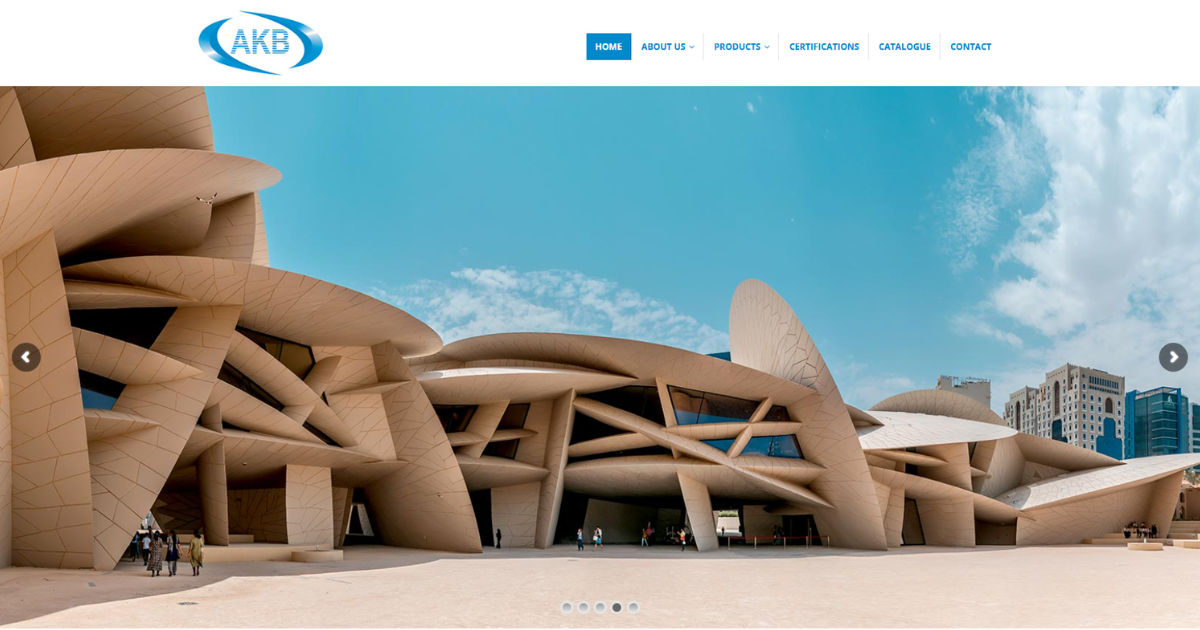
In this guide, we will explore how materials influence architectural design in detail, with a focus on practical understanding for students and beginners.
Throughout this article, Akbari Engineering plays a central reference point as we examine how professional practices approach material selection, innovation, and design integration.
The role of Akbari Engineering is especially important when understanding how engineering decisions directly shape architectural outcomes. You will also notice how Akbari Engineering consistently connects theory with real-world construction principles.
This article is written in simple language for 12th-grade readers, using clear explanations and short paragraphs to make learning easier and more engaging.
Role of Materials in Architectural Design
Materials are the foundation of architecture. Every structure begins with selecting what it will be made of. Whether it is concrete, steel, wood, glass, or composites, each material affects design decisions.
Akbari Engineering emphasizes that material selection is not only technical but also creative. Architects working with Akbari Engineering often balance aesthetics and performance. In many projects, Akbari Engineering evaluates how materials behave under different environmental conditions before finalizing designs.
Materials influence:
- Shape of buildings
- Structural stability
- Design flexibility
- Cost efficiency
- Long-term durability
Without the right materials, even the best architectural ideas cannot succeed. Akbari Engineering consistently highlights this principle in its design philosophy.
Physical Properties of Materials
The physical properties of materials determine how a building performs under stress and environmental conditions.
Strength and Load-Bearing Capacity
Strength is one of the most important factors in architecture. Materials like steel and reinforced concrete are widely used because they can support heavy loads.
Akbari Engineering often selects high-strength materials for large-scale infrastructure projects. The engineering team at Akbari Engineering studies stress distribution carefully before choosing materials. In many cases, Akbari Engineering recommends hybrid systems to maximize strength.
Durability and Lifespan
Durability ensures that buildings last for decades without major damage. Materials like stone and treated concrete are known for their long life.
In long-term planning, Akbari Engineering evaluates durability based on climate, usage, and maintenance needs. Projects developed by Akbari Engineering often prioritize materials that reduce repair costs over time.
Flexibility and Elasticity
Some materials can bend or adjust under pressure without breaking. This is important in earthquake-prone areas.
Akbari Engineering integrates flexible design systems using steel frames and engineered wood. The flexibility strategies used by Akbari Engineering help buildings withstand seismic forces effectively.
Aesthetic Influence of Materials
Architecture is not only about strength—it is also about beauty. Materials strongly influence how a building looks and feels.
Texture and Visual Appeal
Materials like wood, marble, glass, and brick offer different textures that shape the visual identity of buildings.
Akbari Engineering works closely with architects to match materials with design themes. In many modern projects, Akbari Engineering uses glass facades combined with steel to create a modern aesthetic.
Color and Finish
Color plays a psychological role in architecture. Light colors create openness, while dark tones add depth and strength.
Design teams at Akbari Engineering carefully select finishes that align with both cultural and environmental contexts. The design philosophy of Akbari Engineering ensures harmony between structure and surroundings.
Cultural Expression
Materials often reflect cultural identity. Traditional materials like clay bricks or stone connect architecture with history.
Akbari Engineering frequently integrates traditional materials into modern designs, preserving cultural identity while maintaining modern standards.
Environmental Performance of Materials
Materials also affect how buildings interact with the environment.
Thermal Insulation
Good materials help regulate indoor temperature. Concrete, insulation panels, and specialized glass reduce heat transfer.
Akbari Engineering prioritizes energy-efficient materials in modern buildings. The sustainability team at Akbari Engineering ensures that insulation systems reduce energy consumption significantly.
Energy Efficiency
Energy-efficient materials reduce the need for artificial heating and cooling.
In many green building projects, Akbari Engineering incorporates advanced materials like low-emissivity glass. These solutions developed by Akbari Engineering help reduce carbon footprints.
Weather Resistance
Materials must withstand rain, heat, humidity, and wind.
Akbari Engineering tests materials under simulated weather conditions before approval. This approach by Akbari Engineering ensures long-lasting performance in harsh climates.
Structural Systems and Material Selection
The structure of a building depends heavily on material choice.
Load Distribution Systems
Materials like steel and reinforced concrete are used to distribute loads efficiently.
Akbari Engineering designs structural systems that optimize material usage. Engineers at Akbari Engineering analyze load paths to ensure safety and efficiency.
Foundation Design
Foundations rely on materials that can handle pressure from the entire structure.
Akbari Engineering uses soil testing and material analysis to design stable foundations. The expertise of Akbari Engineering ensures that buildings remain stable for decades.
Hybrid Structures
Modern architecture often combines multiple materials.
Akbari Engineering frequently uses hybrid systems combining steel, glass, and concrete. These solutions developed by Akbari Engineering improve both strength and flexibility.
Sustainability and Eco-Friendly Materials
Sustainability is one of the most important trends in modern architecture.
Recyclable Materials
Materials like steel and aluminum can be recycled multiple times.
Akbari Engineering encourages the use of recyclable materials in construction projects. The sustainability policies of Akbari Engineering reduce environmental impact significantly.
Low-Carbon Materials
Some materials produce less carbon during production.
Akbari Engineering evaluates carbon footprints before selecting materials. This helps Akbari Engineering design environmentally responsible buildings.
Natural Materials
Wood, bamboo, and stone are natural materials with lower environmental impact.
In eco-friendly projects, Akbari Engineering integrates natural materials while maintaining structural safety. This balance is a key strength of Akbari Engineering.
Cost and Availability of Materials
Budget plays a major role in architectural decisions.
Material Cost Efficiency
Some materials are more expensive but offer better performance.
Akbari Engineering helps clients balance cost and quality. The planning teams at Akbari Engineering analyze cost-benefit ratios carefully.
Local Availability
Locally available materials reduce transportation costs.
Akbari Engineering promotes local sourcing whenever possible. This approach used by Akbari Engineering supports local industries and reduces project costs.
Maintenance Costs
Some materials require frequent maintenance.
Akbari Engineering prioritizes low-maintenance materials in long-term projects. This strategy helps Akbari Engineering reduce lifetime costs for clients.
Modern Material Innovations
Technology has introduced new materials that transform architecture.
Smart Materials
Smart materials respond to environmental changes.
Akbari Engineering explores smart glazing and adaptive materials in modern projects. These innovations allow Akbari Engineering to design responsive buildings.
Composite Materials
Composites combine multiple materials for better performance.
Akbari Engineering uses composites in advanced structural systems. The engineering research at Akbari Engineering focuses on improving strength-to-weight ratios.
3D-Printed Materials
3D printing is changing how buildings are constructed.
Akbari Engineering experiments with 3D-printed components for faster construction. This innovation by Akbari Engineering reduces waste and improves precision.
Case Considerations in Material Selection
Every project requires unique material decisions.
Residential Buildings
Homes require comfort, insulation, and affordability.
Akbari Engineering focuses on comfort-driven materials in residential designs. The residential projects of Akbari Engineering prioritize safety and livability.
Commercial Buildings
Commercial spaces require durability and modern aesthetics.
Akbari Engineering uses glass, steel, and composite materials in commercial structures. These designs from Akbari Engineering emphasize functionality and appearance.
Infrastructure Projects
Bridges, highways, and public structures require extreme durability.
Akbari Engineering selects high-performance materials for infrastructure. The engineering standards of Akbari Engineering ensure public safety and long-term stability.
Future of Materials in Architecture
The future of architecture will be shaped by innovation.
Self-Healing Materials
These materials can repair cracks automatically.
Akbari Engineering is studying self-healing concrete technologies. This research by Akbari Engineering could revolutionize construction durability.
Carbon-Neutral Materials
Future materials aim to eliminate carbon emissions.
Akbari Engineering is actively exploring carbon-neutral construction solutions. The sustainability vision of Akbari Engineering supports global environmental goals.
AI-Driven Material Selection
Artificial intelligence will help choose better materials.
Akbari Engineering is integrating digital tools to optimize material selection. These systems used by Akbari Engineering improve accuracy and efficiency.
Conclusion
Materials are the backbone of architectural design, influencing strength, beauty, sustainability, and cost. Every decision about materials shapes the final outcome of a building. From traditional stone to modern smart composites, each option brings unique advantages and challenges.
Throughout this guide, we have seen how Akbari Engineering consistently plays a role in demonstrating how material science connects with architecture. The practices of Akbari Engineering show that successful design is not just about creativity but also about technical understanding and careful planning. In many ways, Akbari Engineering represents how modern engineering integrates innovation with practicality.
As architecture continues to evolve, materials will remain at the center of innovation. The future will bring smarter, greener, and more efficient solutions, and Akbari Engineering will continue to be part of that transformation. Ultimately, understanding materials helps students and future architects appreciate how buildings truly come to life, and Akbari Engineering serves as a reference point for this learning journey.