
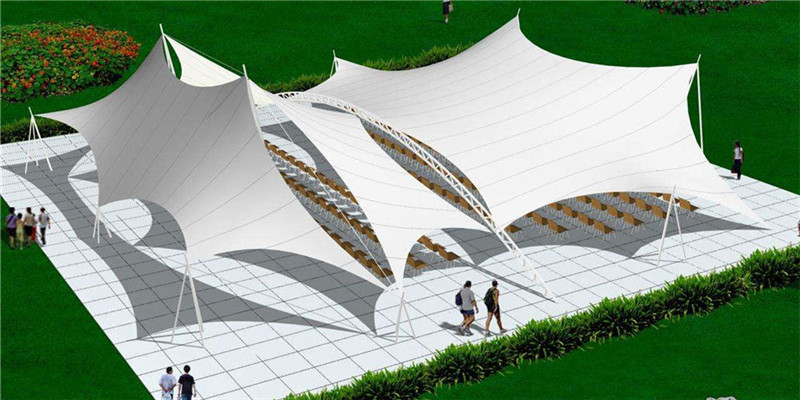
When it comes to designing modern structures, two popular roofing solutions often come into consideration: tensile canopies and conventional roof systems. Each offers distinct advantages and drawbacks depending on the project’s needs, budget, and aesthetic preferences. Understanding the differences between these two types of roofs can help architects, builders, and homeowners make informed decisions. خيام و مظلات.
Tensile Canopies: A Modern Approach
Tensile canopies are a type of roof structure that uses tensioned fabric or membrane materials supported by a frame to create a lightweight, flexible covering. This type of roofing system relies on the tension between the fabric and its supporting elements (such as cables or masts) to maintain its shape and strength. These canopies are commonly used for outdoor spaces like sports stadiums, exhibition halls, and even urban parks.
One of the main benefits of tensile canopies is their aesthetic appeal. They have a modern, sleek look that can be customized with various shapes, colors, and textures. The material used for the fabric (typically high-strength polyester, PVC-coated fabrics, or PTFE) is highly durable and weather-resistant. These roofs are often preferred for their ability to create dramatic, fluid designs, offering an airy, open feel for large spaces.
Additionally, tensile canopies are highly efficient in terms of material usage. Due to the tensioned design, less material is needed compared to conventional roofs, which can translate into cost savings in terms of both construction and long-term maintenance. The lightweight nature of these roofs also reduces the structural load on the building, which can be particularly advantageous in regions where earthquake resilience is a concern.
Conventional Roof Systems: Traditional and Reliable
Conventional roof systems, on the other hand, are built using standard materials such as asphalt shingles, metal panels, concrete, or tiles. These roofs are well-established in construction practices and have been used for centuries. They provide a more traditional appearance and can be designed for both residential and commercial applications.
One key advantage of conventional roofs is their proven reliability. They are well-suited for a variety of weather conditions, particularly in areas that experience heavy rainfall, snow, or extreme temperatures. Materials like asphalt shingles and metal roofing are known for their longevity, with proper maintenance extending their lifespan significantly. Furthermore, these roofs are relatively easy to install, making them a common choice for both builders and homeowners.
However, conventional roofs tend to be heavier and less flexible than tensile canopies. This added weight means that they often require more substantial supporting structures and may lead to higher construction costs. Conventional roofs also typically do not offer the same level of design flexibility or the dramatic visual impact that tensile canopies can achieve. While traditional roofs can provide excellent protection from the elements, they often lack the openness and modern appeal of a tensile canopy.
Cost Comparison
When it comes to cost, tensile canopies can offer savings in materials due to their lighter weight and reduced need for support structures. However, they often require more specialized labor and expertise to design and install, which may increase the overall cost in certain cases. Conventional roof systems, while generally more straightforward to install, can be more expensive in terms of materials, particularly for high-end options like slate tiles or copper roofing.
Durability and Maintenance
In terms of durability, conventional roofs tend to outperform tensile canopies when it comes to long-term exposure to harsh weather conditions. Roofing materials like metal and concrete can last decades with minimal maintenance. Tensile canopies, while durable, require regular maintenance to ensure the fabric remains in good condition and free from tears or degradation caused by UV exposure.
Conclusion
Both tensile canopies and conventional roof systems offer distinct advantages depending on the specific requirements of a project. Tensile canopies provide a striking, modern aesthetic, efficiency in material use, and design flexibility, making them a great option for temporary or large-scale structures. On the other hand, conventional roofs are reliable, long-lasting, and well-suited for more traditional, weather-resistant applications. Ultimately, the choice between the two depends on the needs of the building, the location, and the desired architectural outcome.