
In recent years, TikTok has become one of the fastest ways for content and trends to spread online. Along with entertainment, education, and lifestyle content, there is also a growing presence of risky promotions—especially links leading to gambling-style websites often referred to as online slot platforms.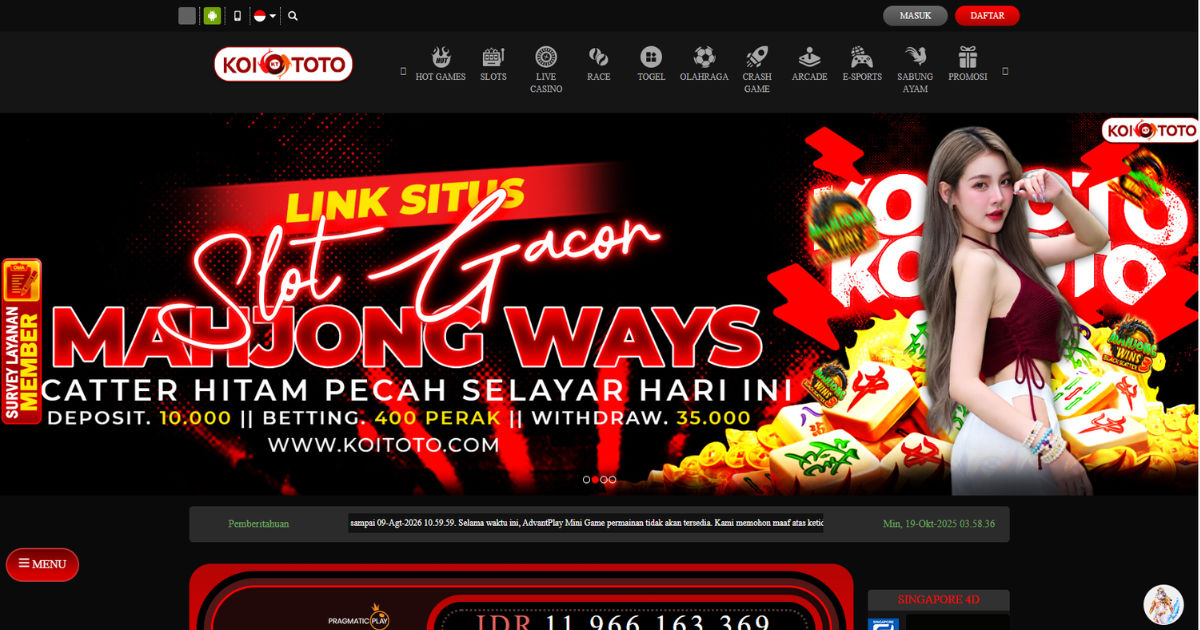
These “situs slot” are frequently advertised in short videos, comment sections, or through private messages. They often look harmless at first, but they can expose users—especially young audiences—to financial loss, addiction, and data security threats.This guide explains the major risks, how these promotions work, and why users should be extremely careful when encountering such content on TikTok.
How Slot Site Promotions Spread on TikTok
Viral Content and Algorithm Boost
TikTok’s algorithm prioritizes engagement. Videos that get likes, comments, and shares are pushed to more users. This system can unintentionally amplify risky content, including gambling promotions.
Some creators use flashy visuals, fake winning screenshots, or “success stories” to attract attention. These videos can spread quickly before they are removed.
Fake Influencer Marketing
Some accounts pretend to be influencers or “financial success” figures. They may promote gambling-style platforms by claiming users can “earn fast money” or “win easily.” These claims are usually misleading.
Private Messaging and Redirect Links
Another common method is sending direct messages or placing links in bios and comments. These links often lead to external websites that are not regulated or verified.
Financial Risks of Online Slot Platforms
High Probability of Losing Money
Most gambling-style slot platforms are designed so the system always benefits the operator. While users may occasionally win small amounts, long-term outcomes usually result in losses.
Hidden Fees and Withdrawal Issues
Even when users win, they may face problems such as:
- Withdrawal restrictions
- Additional “verification payments”
- Account freezing without explanation
These tactics are commonly reported in unregulated platforms.
Encouragement of Repeated Spending
Many platforms use psychological triggers like:
- “You are close to winning”
- “Try again for a bigger reward”
- “Limited time bonus”
These messages encourage users to keep depositing money, increasing financial risk.
Psychological and Addiction Risks
Dopamine-Based Design
Slot-style games are built around fast rewards and random outcomes. This triggers dopamine responses in the brain, similar to gambling machines in casinos.
Over time, users may develop a habit of chasing wins, even after repeated losses.
Addiction Among Young Users
TikTok’s user base includes many teenagers and young adults. Exposure to gambling-style content at an early age can increase the risk of developing addictive behaviors later.
Emotional Impact
Users who lose money repeatedly may experience:
- Stress
- Anxiety
- Frustration
- Guilt
In severe cases, this can affect school performance, relationships, and mental health.
Data Privacy and Security Risks
Unverified Websites
Many slot platforms promoted on TikTok are not regulated. This means user data may not be protected properly.
Risk of Personal Data Theft
When users register, they may be asked to provide:
- Phone numbers
- Bank details
- Identification documents
This information can be misused or sold to third parties.
Malware and Phishing
Some links may lead to fake websites designed to steal login credentials or install harmful software on devices.
Social Media Manipulation Tactics
Fake Testimonials
Many promotional videos use edited clips showing people winning large amounts of money. These are often staged or completely fabricated.
Bot Comments and Engagement
Some posts use fake accounts to comment things like “I won today!” or “This works for me!” to create false trust.
Pressure Marketing
Messages often create urgency, such as:
- “Only today bonus”
- “Limited slots available”
- “Join before it’s gone”
These tactics are designed to push quick decisions without thinking.
Why TikTok Becomes a Target Platform
High Youth Engagement
A large portion of TikTok users are young, making it a key target for risky marketing content.
Fast Content Consumption
Short videos make it easier to deliver emotional messages without detailed explanations or warnings.
Difficulty in Moderation
Even though TikTok removes harmful content, new accounts and videos appear quickly, making enforcement challenging.
Legal and Ethical Concerns
Regulation Differences
In many regions, online gambling is either restricted or heavily regulated. However, offshore websites may still target users without following local laws.
Ethical Issues in Targeting Young Audiences
Promoting gambling-style platforms to young viewers raises serious ethical concerns, especially when content is disguised as entertainment or financial advice.
Warning Signs to Identify Risky Slot Promotions
Unrealistic Promises
Be cautious if you see claims like:
- “Guaranteed win”
- “Easy daily income”
- “No risk money-making”
Lack of Transparency
If a platform does not clearly show who owns it or where it is registered, it is a major warning sign.
Pressure to Deposit Quickly
Legitimate platforms do not pressure users into fast financial decisions.
How to Stay Safe on TikTok
Be Critical of Financial Claims
If something sounds too good to be true, it usually is. Always question videos that promise quick or effortless money.
Avoid Unknown Links
Never click links from unknown creators or comment sections, especially if they lead to external gambling platforms.
Use Digital Literacy Skills
Learn to recognize manipulation tactics like edited wins, fake testimonials, and urgency messaging.
Talk to Someone You Trust
If unsure about a platform or video, discuss it with a friend, teacher, or family member before engaging.
The Role of Awareness and Education
The best protection against risky online content is awareness. Understanding how these systems work helps users make better decisions.
Schools, parents, and communities all play a role in teaching digital responsibility. Social media platforms also need stronger systems to detect and remove misleading financial or gambling-related promotions.
Conclusion
TikTok is a powerful platform that can influence millions of users in seconds. While it offers entertainment and creativity, it also opens the door for harmful promotions that target vulnerable users. Slot-style gambling sites are one of the most concerning examples because they combine financial risk, psychological manipulation, and data privacy threats.
The biggest danger is not just losing money, but developing habits and behaviors that can lead to long-term harm. These platforms often rely on emotional triggers, misleading claims, and social pressure to attract users, especially younger audiences who may not fully understand the risks involved.
In my experience analyzing online trends, the most effective protection is awareness and skepticism. Users who understand how these systems operate are far less likely to fall into traps. Being cautious, questioning unrealistic promises, and avoiding unknown links can significantly reduce risk in everyday social media use.
Ultimately, the responsibility is shared between platforms, regulators, and users. But on a personal level, staying informed is the strongest defense.