
1. Introduction
Electric vehicles(EVs) are no yearner a futuristic concept they are a world reshaping the moving worldly concern. Alongside the rise of EVs, car charging Stations of the Cross have become necessary infrastructure. Despite their ontogeny presence, many drivers stay on unaware of how these Stations operate, the types available, and their affect on both and the environment. This article uncovers the lesser-known facts about car charging Stations of the Cross and how they are transforming the way we drive.
2. Types of Car Charging Stations
Charging Stations of the Cross are not one-size-fits-all. They vary in travel rapidly, engineering science, and suitability for different scenarios. Understanding these differences is material for competent EV use.
Level 1 Charging:
Uses a monetary standard family wall plug(120V).
Slowest charging method, often pickings 12 24 hours for a full tear.
Ideal for all-night charging at home or for low-mileage drivers.
Level 2 Charging:
Requires a 240V electrical outlet or sacred charging unit.
Charges EVs in 4 8 hours depending on battery size.
Commonly installed at workplaces, populace locations, and homes.
Offers faster charging and more dependableness compared to Level 1.
DC Fast Charging:
Uses aim current(DC) for immoderate-rapid charging.
Can shoot an EV up to 80 in 20 40 transactions.
Found mainly along highways and municipality hubs.
Best for long-distance jaunt but can be harsher on batteries if used to a fault.
3. How ev charge stations Stations Work
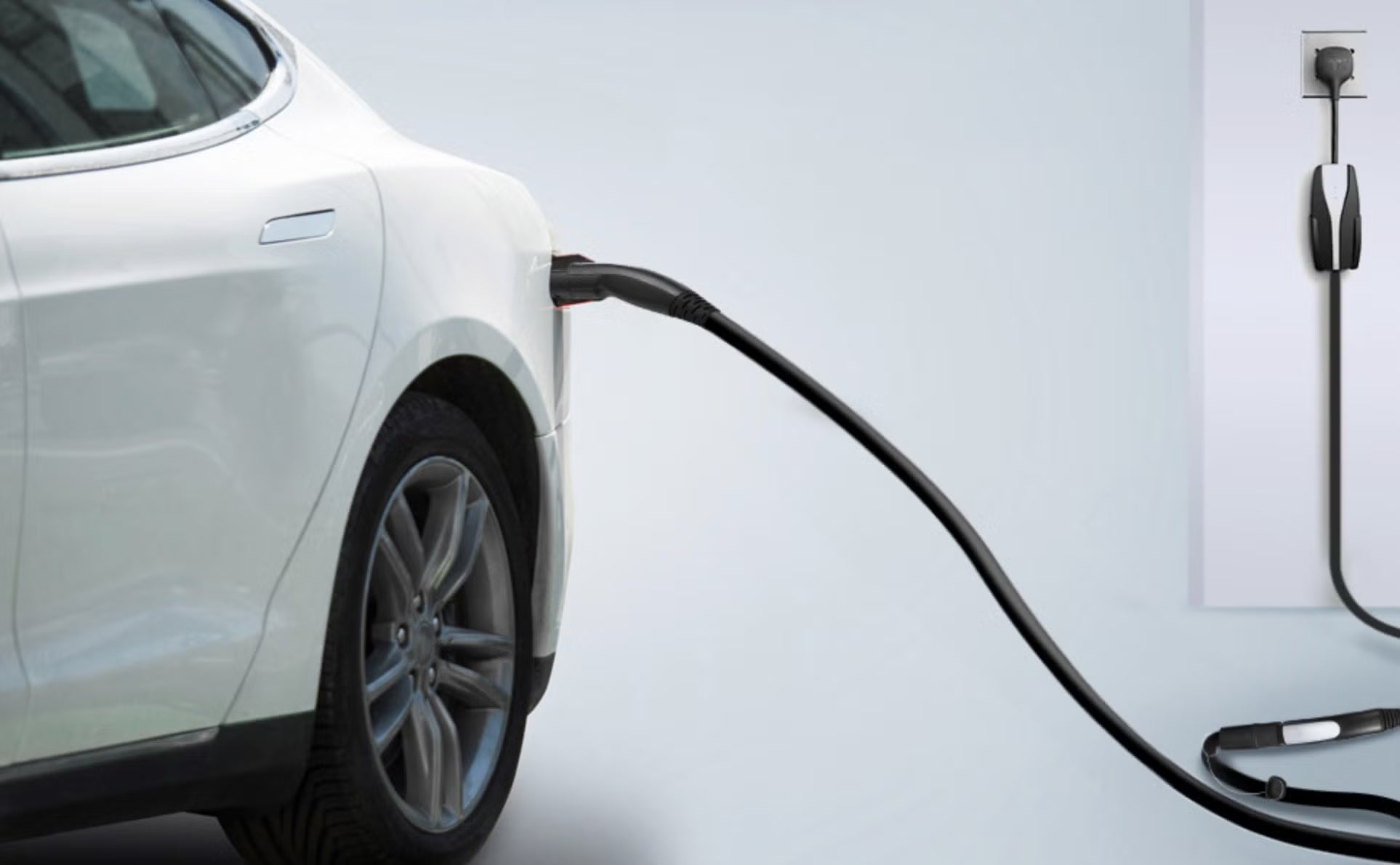
At its core, a charging place converts electrical vim from the grid into a form that an EV battery can stash awa. Level 1 and 2 chargers rely on the car s aboard charger to finagle major power transition, while DC fast chargers go around the aboard charger to ply high-voltage great power direct. Advanced Stations of the Cross also pass on with the car to optimize charging speed up, monitor battery health, and even docket charging during off-peak vim hours.
4. Charging Station Networks and Accessibility
Charging Stations of the Cross are more and more connected through networks, sanctioning users to turn up available chargers via apps. Major networks like Tesla Supercharger, ChargePoint, and Electrify America volunteer real-time handiness, subscription plans, and payment integration. However, accessibility still varies by part. Urban areas tend to have dense networks, while geographical region regions often have fewer options, accentuation the need for strategical preparation on long trips.
5. Costs Associated with Charging
The cost of charging varies depending on the type of post, position, and rates. Home Level 1 and 2 charging are in general the cheapest options. Public Level 2 stations may charge a fee per hour or per kW-hour, while DC fast chargers typically have high rates due to their zip and substructure costs. Some networks offer memberships for low pricing, while others may provide free charging as a perk for customers.
6. Home vs Public Charging
Home charging provides and predictability, allowing nightlong charging without recurrent trips to public Stations of the Cross. Public charging is requisite for long-distance jaunt and municipality residents without get at to a home charger. Combining both strategies ensures maximum and tractableness for EV owners.
7. Environmental Impact
Car charging Stations of the Cross put up indirectly to reducing nursery gas emissions. EVs supercharged via renewable vitality sources like star or wind have a much littler carbon paper footprint than gasolene vehicles. However, the germ of is material charging from dodo fuel-heavy grids can offset state of affairs benefits. Future trends aim to incorporate more renewable-powered charging stations.
8. Future Innovations in Charging
The time to come of charging Stations of the Cross is brightly and moral force. Wireless charging, radical-fast 800V DC Stations, and ache grid integrating are already rising. Innovations focus on on reduction charging time, exploding availability, and enhancing battery longevity. Imagine a earth where EVs can reload while parked automatically or even while driving on specially studied roadstead a reality than many expect.
9. Conclusion
Car charging Stations of the Cross are more than just plugs on the street they are the spine of the electric automobile mobility gyration. From sympathy the types of chargers to , accessibility, and environmental bear upon, informed the ins and outs of charging Stations helps drivers make smarter, greener decisions. As engineering evolves, charging will become faster, smarter, and more structured into life, making EVs an progressively expedient and property option.