
If you want to convert pdf to jpg, the main challenge is not just turning a file into images, but making sure you convert pdf to jpg without losing formatting, alignment, or visual quality.
Many users try to convert pdf to jpg for sharing documents, printing previews, or uploading content online, but they often end up with blurry or misaligned results.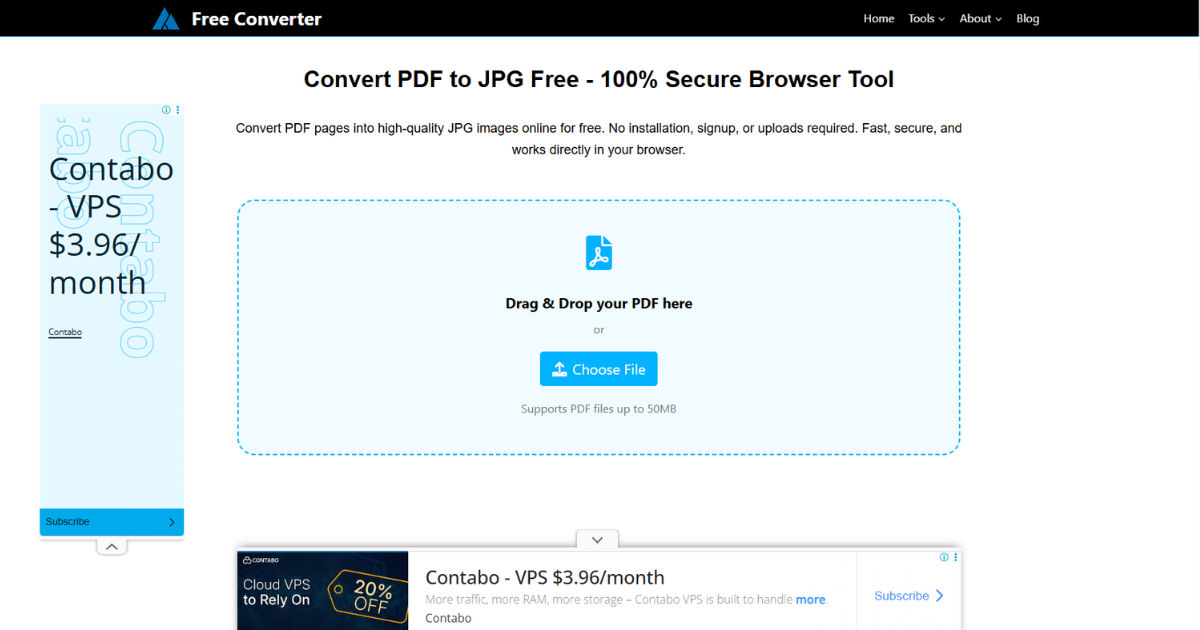
In this guide, you will learn exactly how to convert pdf to jpg while keeping the original layout intact, even if you are a beginner.
This article explains tools, step-by-step methods, and professional techniques to help you convert pdf to jpg properly on Windows, Mac, mobile, and online platforms. By the end, you will clearly understand how to convert pdf to jpg without losing quality or structure.
Why People Need to Convert PDF to JPG and Keep Layout
When users decide to convert pdf to jpg, it is usually for practical reasons. PDF files are great for documents, but they are not always easy to share or edit in image-based platforms. That is why many people choose to convert pdf to jpg for flexibility.
Here are some common reasons:
- Uploading documents to websites that only support images
- Sharing pages on social media
- Previewing documents quickly without a PDF reader
- Extracting visual content from reports or presentations
- Printing pages as images
However, when you convert pdf to jpg, maintaining layout is extremely important. A poorly done conversion can distort text, shift images, or ruin formatting. That is why learning to properly convert pdf to jpg is essential.
Understanding the Layout Problem During Conversion
Before you convert pdf to jpg, it is important to understand what “layout” means. Layout includes:
- Text positioning
- Image alignment
- Margins and spacing
- Fonts and styles
- Page structure
When you convert pdf to jpg, each page becomes a flat image. If the tool is not accurate, it may compress or shift elements. This is why many users fail when they try to convert pdf to jpg using low-quality converters.
To avoid this, you need the right tools and settings that ensure you can convert pdf to jpg while preserving every detail.
Best Methods to Convert PDF to JPG Without Losing Layout
There are several reliable ways to convert pdf to jpg. Each method has advantages depending on your device and skill level.
Let’s explore them in detail.
1. Using Adobe Acrobat to Convert PDF to JPG
Adobe Acrobat is one of the most accurate tools to convert pdf to jpg while preserving layout.
Steps:
- Open your PDF in Adobe Acrobat
- Click “Export PDF”
- Choose image format (JPEG)
- Select resolution (300 DPI recommended)
- Save the file
When you convert pdf to jpg using Adobe Acrobat, the layout remains almost identical to the original document. This is because Adobe is designed to maintain formatting accuracy during convert pdf to jpg operations.
Why it works well:
- High-quality rendering
- Maintains fonts and spacing
- Supports batch conversion
If accuracy matters, Adobe is one of the best ways to convert pdf to jpg professionally.
2. Using Windows Tools to Convert PDF to JPG
Windows users can also convert pdf to jpg using built-in or free software.
Method using Microsoft Print to PDF / Photos:
- Open the PDF file
- Click Print
- Select “Microsoft Print to PDF” or image printer tools
- Save pages as images
Although not perfect, this method allows you to convert pdf to jpg quickly without installing heavy software.
Third-party tools:
- IrfanView
- PDF-XChange Editor
- GIMP
These tools allow better control when you convert pdf to jpg, especially for layout preservation.
3. Using Mac Preview to Convert PDF to JPG
Mac users can easily convert pdf to jpg using Preview, which is built into macOS.
Steps:
- Open PDF in Preview
- Click File > Export
- Choose JPEG format
- Adjust quality settings
- Save file
This is one of the simplest ways to convert pdf to jpg while maintaining layout consistency.
Why Mac Preview is useful:
- No installation required
- Fast processing
- Good quality output
Many users prefer Preview because it makes it easy to convert pdf to jpg in seconds.
4. Online Tools to Convert PDF to JPG
Online converters are popular because they let you convert pdf to jpg without installing software.
Popular online tools:
- Smallpdf
- ILovePDF
- PDF2JPG
- Soda PDF
Steps:
- Upload PDF file
- Choose JPG format
- Click convert
- Download images
When you convert pdf to jpg online, make sure you choose high-quality settings to preserve layout.
Advantages:
- Easy to use
- Works on any device
- Fast conversion
Disadvantages:
- Internet required
- Privacy concerns for sensitive files
Still, for quick tasks, online tools help you convert pdf to jpg efficiently.
5. Mobile Apps to Convert PDF to JPG
Smartphones also allow you to convert pdf to jpg using apps.
Android and iOS apps:
- Adobe Scan
- CamScanner
- PDF Converter
- iLovePDF Mobile
Steps:
- Open app
- Import PDF
- Select “convert to JPG”
- Save images
Mobile apps make it easy to convert pdf to jpg on the go, especially for students and professionals.
How to Keep Layout When You Convert PDF to JPG
The most important part is ensuring you convert pdf to jpg without losing structure. Here are expert tips:
1. Use High Resolution (300 DPI or higher)
Low resolution causes blurry results. Always choose high DPI when you convert pdf to jpg.
2. Avoid Compression
Compression reduces quality. To properly convert pdf to jpg, disable or reduce compression settings.
3. Use Reliable Software
Cheap tools often distort layout. Use trusted tools when you convert pdf to jpg.
4. Maintain Original Page Size
Ensure page scaling is set to “actual size” when you convert pdf to jpg.
5. Check Fonts and Embedding
Embedded fonts help preserve design when you convert pdf to jpg.
Common Mistakes When Converting PDF to JPG
Many users struggle because they do not correctly convert pdf to jpg. Here are common mistakes:
1. Using low-quality converters
This leads to distorted output when you convert pdf to jpg.
2. Ignoring resolution settings
Low DPI makes images blurry after you convert pdf to jpg.
3. Not checking layout preview
Always preview before finalizing your convert pdf to jpg process.
4. Uploading sensitive files online
Online tools may not be safe for confidential data when you convert pdf to jpg.
Best Practices for Professional Results
If you want professional output when you convert pdf to jpg, follow these practices:
- Always use 300–600 DPI
- Use desktop software for important documents
- Keep original PDF backup
- Test output before sharing
- Use batch conversion tools for multiple pages
These steps ensure that every time you convert pdf to jpg, the result is clean and professional.
Comparison of Methods to Convert PDF to JPG
Here is a simple comparison to help you choose how to convert pdf to jpg:
- Adobe Acrobat: Best quality, paid
- Mac Preview: Simple and free
- Windows tools: Moderate quality
- Online tools: Fast but less secure
- Mobile apps: Convenient but limited control
Each method allows you to convert pdf to jpg, but your choice depends on quality needs.
Advanced Tips for Perfect Layout Preservation
To master how to convert pdf to jpg, you should understand advanced settings:
1. Color Management
Ensure color profiles remain consistent when you convert pdf to jpg.
2. Page Cropping
Avoid unwanted margins while you convert pdf to jpg.
3. Vector vs Raster Awareness
PDFs are vector-based; JPGs are raster. This affects how you convert pdf to jpg.
4. Batch Processing
For multiple pages, batch tools help you convert pdf to jpg faster and consistently.
Troubleshooting Conversion Problems
Sometimes, users face issues when they convert pdf to jpg.
Problem: Blurry images
Solution: Increase DPI before you convert pdf to jpg
Problem: Missing text
Solution: Use font-embedded PDFs when you convert pdf to jpg
Problem: Large file size
Solution: Adjust compression settings after you convert pdf to jpg
When Should You Convert PDF to JPG?
You should convert pdf to jpg when:
- You need image-based sharing
- You want easy previews
- You are uploading to websites
- You need page snapshots
- You are designing presentations
In all these cases, knowing how to convert pdf to jpg properly is very helpful.
Future of PDF to JPG Conversion
Technology is improving, and tools are becoming smarter at helping users convert pdf to jpg without losing quality. AI-based converters now automatically preserve layout, making it easier than ever to convert pdf to jpg accurately.
In the future, we can expect:
- Faster cloud-based tools
- Better layout detection
- Automatic quality correction
- Smarter compression
This means users will be able to convert pdf to jpg with almost zero effort.
Conclusion
Learning how to convert pdf to jpg while keeping layout intact is a valuable digital skill. Whether you are a student, professional, or casual user, knowing how to convert pdf to jpg correctly ensures that your documents remain clear, readable, and visually accurate.
From Adobe Acrobat to online tools and mobile apps, there are many ways to convert pdf to jpg, but the key is choosing the right method based on quality and security needs. Always remember to use high resolution, avoid compression, and preserve layout settings when you convert pdf to jpg.
With the right approach, you can consistently convert pdf to jpg without losing formatting or clarity, making your documents more useful and shareable across platforms.