
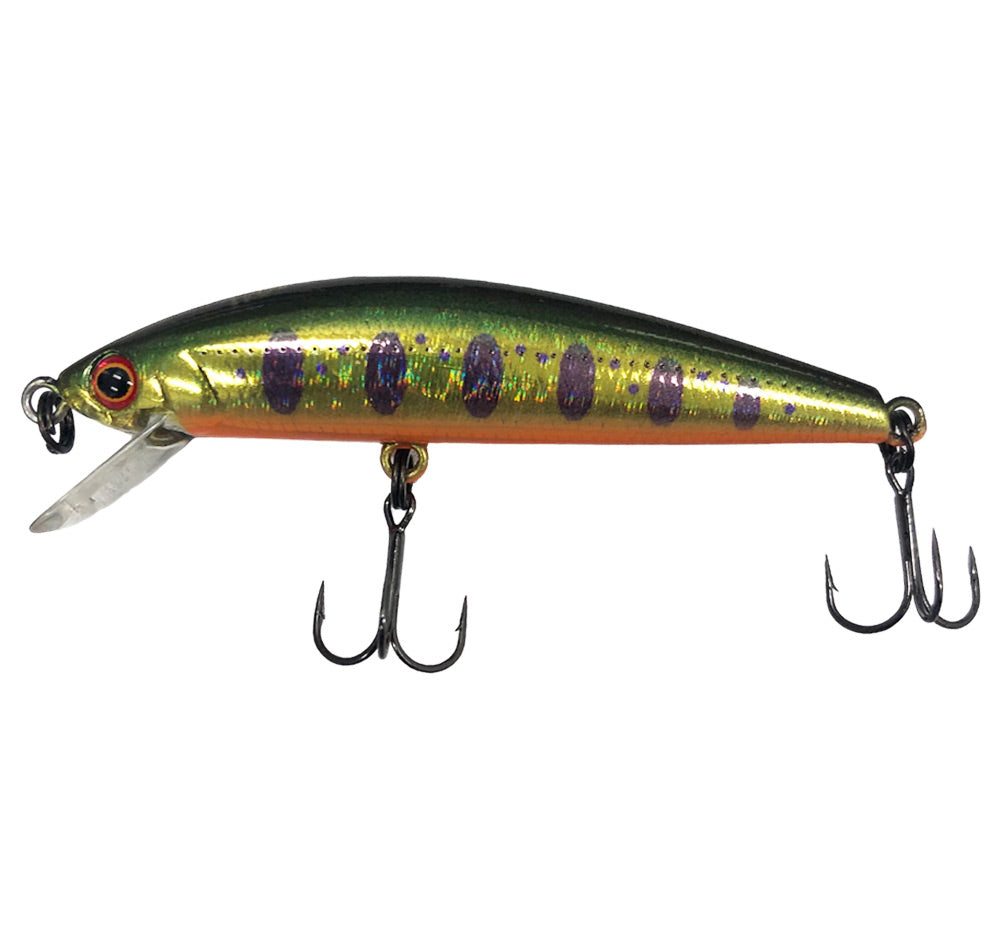
Fishing lures are more than just colorful decorations on a line—they are carefully engineered tools designed to entice fish to bite. The science behind successful lure designs combines biology, physics, and psychology to mimic natural prey and trigger predatory instincts in fish. Understanding these scientific principles can help anglers choose or even create lures that increase their chances of a catch fishing lure makers.
Mimicking Natural Prey: Visual and Behavioral Cues
One of the key factors in lure design is replicating the appearance and movement of a fish’s natural prey. Fish rely heavily on their vision to hunt, so effective lures often mimic the size, shape, color, and swimming patterns of small baitfish, insects, or other prey species found in their environment.
Color is a crucial element. Different water conditions affect how colors are perceived. In clear water, natural and subtle colors like silver, green, or brown work best, as they closely resemble real prey. In murkier or deeper water, brighter colors such as chartreuse or fluorescent orange stand out more due to the way light penetrates water, making lures more visible to fish.
Movement is equally important. Fish are triggered by certain patterns of motion—erratic darting, smooth swimming, or wobbling—that indicate vulnerability. Many lures are designed to mimic these motions through their shape and the way they move when pulled through the water. For example, spinnerbaits create flash and vibration, mimicking the quick movements of fleeing baitfish, while crankbaits mimic the wobbling or diving action of injured prey.
The Role of Vibration and Sound
Fish use their lateral line system, a sensory organ running along their sides, to detect vibrations and movement in the water. Many successful lures are engineered to create vibrations that simulate struggling or fleeing prey. Spinnerbaits, for example, have rotating blades that generate vibrations and flashes of light, stimulating the fish’s lateral line and attracting their attention.
Some lures also incorporate rattles or internal chambers that produce noise when moved. These sounds can mimic the noises of prey or cause curiosity, prompting fish to strike. The combination of visual stimuli, vibration, and sound makes lures more effective by engaging multiple sensory systems in fish.
Hydrodynamics and Lure Action
Hydrodynamics, the study of fluids in motion, plays a vital role in lure design. The shape and weight distribution of a lure determine how it moves through the water. For instance, a slender, streamlined lure will swim differently than a wide, flat one.
The action of a lure—the specific movement it makes when retrieved—is designed to resemble the natural swimming patterns of prey. For example, a lipless crankbait vibrates side to side, creating a strong pulsating movement, while a soft plastic worm might undulate slowly with the current. Designers experiment with different shapes, sizes, and materials to optimize these actions for specific fish species and conditions.
Psychological Triggers: Aggression and Curiosity
Fish behavior is influenced not only by hunger but also by territorial aggression and curiosity. Some lures are designed to provoke a strike by simulating an intruder in a fish’s territory or by standing out as something unusual. Bright colors, unusual shapes, or erratic movements can trigger an aggressive response, especially during spawning seasons when fish are more territorial.
Conclusion
The science behind successful lure designs is a fascinating blend of biology, physics, and psychology. By understanding how fish see, hear, and react to their environment, lure designers craft tools that effectively mimic natural prey and provoke strikes. For anglers, this knowledge offers valuable insight into selecting or creating lures that work best for specific species and conditions. The next time you cast your line, remember—behind that simple piece of plastic or metal is a carefully engineered design rooted in science, working to outsmart the fish and improve your chances of landing the catch.